
If you manage a commercial building in Florida, fire-rated doors are not optional extras—they are code-mandated life-safety components tied directly to your occupancy permit. Whether you oversee a mid-rise office in Brickell, a retail strip in Fort Lauderdale, or a mixed-use property in Coral Gables, understanding when fire-rated doors are required—and what happens when labels, hardware, or closers fail inspection—can save you from failed AHJ walkthroughs and costly emergency replacements.
This guide explains Florida Building Code and IBC requirements for commercial fire doors, rating durations from 20 to 90 minutes, Miami-Dade and Broward inspection realities, and realistic fire rated door installation cost ranges. We also cover label integrity, self-closing hardware, and when repair beats full replacement. For hands-on help, our team services all of South Florida through our fire-rated door installation and Miami commercial door repair programs.
Key Takeaways
- Fire-rated doors are required wherever fire-resistance-rated walls and partitions demand them—stairwells, corridors, utility rooms, and many mixed-use separations.
- Ratings range from 20-minute corridor doors to 90-minute stairwell and mechanical-room doors; the wall rating dictates the door rating.
- Every fire door must carry a visible, legible certification label; painted-over, missing, or modified labels fail NFPA 80 inspections.
- Self-closing and positive-latching hardware is mandatory; a propped-open fire door is a code violation regardless of rating.
- Fire rated door installation cost typically runs $1,800–$4,500 per opening for standard hollow metal, higher for glass-rated assemblies.
- Licensed, insured contractors with documented installs protect you during insurance claims and AHJ re-inspections.
What Makes a Door Fire-Rated in Florida?
A fire-rated door is a complete assembly—door leaf, frame, hardware, and sometimes vision lites—tested as a unit to resist fire for a specified duration. In Florida, the Florida Building Code (FBC) adopts International Building Code (IBC) provisions with state-specific amendments, and local jurisdictions in Miami-Dade and Broward enforce them strictly during Certificate of Occupancy renewals, tenant build-outs, and post-incident inspections.
The rating you need depends on the fire-resistance rating of the wall the door sits in. A 1-hour rated corridor wall typically requires a 45-minute or 60-minute door; 2-hour stairwell enclosures often require 90-minute doors. Using a 20-minute door where 90 minutes is required is one of the most common—and expensive—corrections we see after failed inspections.
Fire-rated assemblies must be listed by an accredited testing laboratory (UL, WH, or Intertek). The label on the hinge edge or top of the door, plus matching frame labels, is your proof of compliance. Inspectors and fire marshals look for these labels first.
Florida Building Code: Where Fire Doors Are Required
Commercial buildings need fire-rated doors at interior exit stairwells, horizontal exits, fire barriers separating occupancies, and many egress corridors depending on building size and sprinkler status. Mixed-use buildings—retail below, offices above—often have multiple fire separation points, each with its own door rating requirement.
Miami-Dade County and Broward County follow the High-Velocity Hurricane Zone (HVHZ) amendments for exterior components, but interior fire door requirements align with FBC Chapter 7 (Fire and Smoke Protection Features). Even when hurricane impact ratings apply to exterior storefronts, interior fire separations still demand listed fire door assemblies.
Healthcare, education, and assembly occupancies have additional requirements. If your property underwent a change of use—say, office to clinic—you may need a fresh life-safety plan review that triggers new fire door specifications.
Understanding Rating Durations: 20, 45, 60, and 90 Minutes
- 20-minute doors appear in some corridor applications and smoke partitions where the wall rating allows. They are not a shortcut for stairwells or high-risk separations.
- 45-minute and 60-minute doors are common at fire partitions, tenant separations, and many egress corridors in non-sprinklered or partially sprinklered buildings.
- 90-minute doors protect stairwells, shaft enclosures, and other 2-hour rated barriers. Mechanical and electrical rooms adjacent to egress paths may also require 90-minute protection depending on the life-safety plan.
Glass in fire doors is not forbidden, but it must be part of a listed fire-rated vision lite kit with the correct glazing and sizing limits. Cutting in a non-rated glass panel voids the assembly rating.
Labels, Hardware, and Self-Closing Requirements
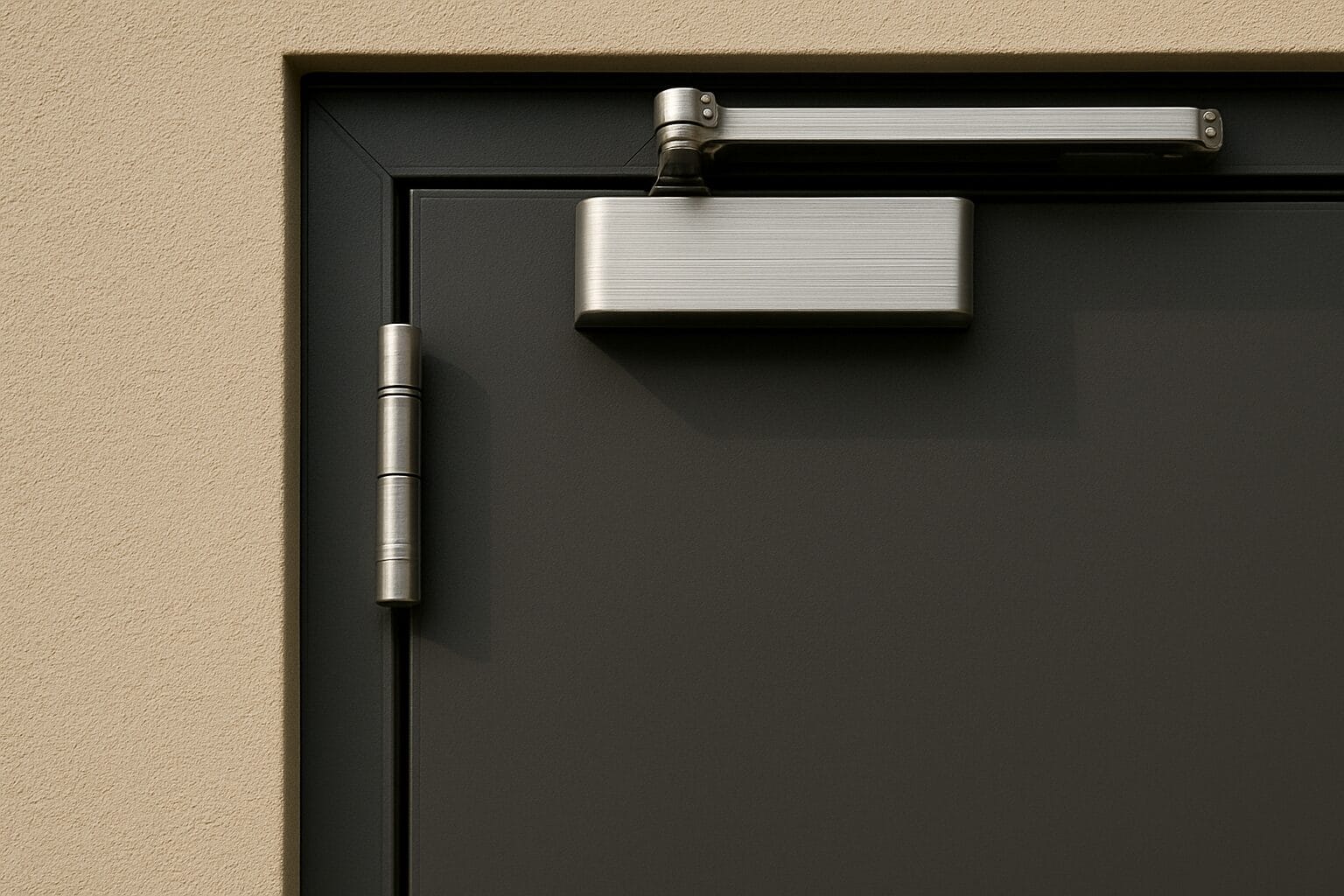
NFPA 80 (Standard for Fire Doors and Other Opening Protectives) governs installation, inspection, and maintenance. Key rules property managers should know: labels must remain visible and legible; field modifications like kick-plate oversize cuts or unlisted lock prep can void listing; and closers must reliably close and latch the door from any open position.
Panic hardware and fire exit hardware must be listed for fire door use where required. Pairing a non-listed lockset with a rated door is a frequent fail item. Smoke gasketing may be required at doors in smoke partitions—another detail often missed during tenant improvements.
Annual fire door inspections are required under NFPA 80 in many jurisdictions when the building falls under NFPA 101 (Life Safety Code). Documentation matters: keep inspection logs, deficiency reports, and repair records in your CMMS or compliance binder.
Miami-Dade and Broward Inspection Realities
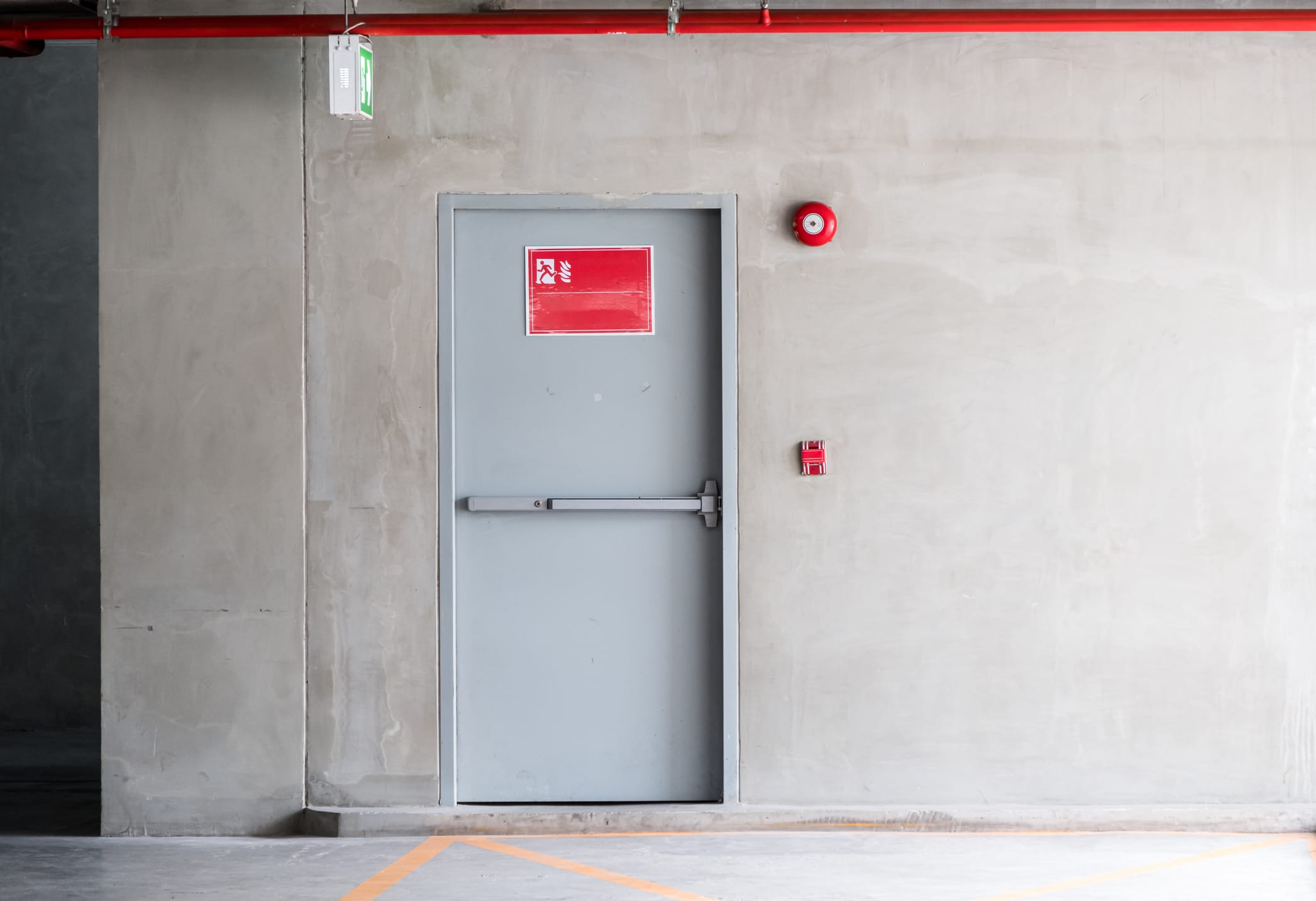
South Florida AHJs take a practical but firm approach. Inspectors commonly cite missing labels, doors that do not self-close, hold-open devices without tie-ins to the fire alarm, and field modifications from prior vendors. Reddit threads from Miami property owners consistently highlight frustration finding contractors who understand both fire code and commercial hardware—cheap installs that skip listed components create expensive rework.
In HVHZ areas, do not confuse hurricane impact requirements with fire ratings. An impact-rated storefront entrance and a fire-rated stairwell door serve different functions; some openings need both ratings, verified through separate product approvals.
Before a scheduled inspection, walk every rated opening: check labels, operate closers, confirm latching, and verify no wedges or furniture block closure. Our commercial door repair team offers pre-inspection sweeps for Miami-Dade and Broward portfolios.
Fire Rated Door Installation Cost: What to Budget
Search volume for fire rated door installation cost and fire rated door cost reflects real budget pressure. Pricing varies by rating, size, hardware, and whether the frame can be reused. These are typical South Florida ranges for single openings—not fixed quotes:
Cost Ranges (Single Opening, Installed)
- 20–45 minute hollow metal, standard frame: $1,800–$3,200 installed, assuming minimal frame damage and standard lock prep.
- 60–90 minute hollow metal with listed closer and lockset: $2,800–$4,500+ depending on size, undercut, and existing wall conditions.
- Fire-rated glass kits: add $800–$2,000+ per lite depending on size and rating.
- Multi-opening projects: volume pricing and after-hours work can shift totals; always request itemized estimates with rating labels specified by model number.
Hidden cost drivers include asbestos-era frames, concrete fill removal, fire-stopping at penetrations, and AHJ re-inspection fees after failed first passes. A written scope from a licensed contractor beats a phone quote every time.

Repair vs Replace: Making the Right Call
Repair is viable when the frame and door remain listed, labels are intact, and only hardware (closers, hinges, panic devices) needs replacement. Replace when labels are missing, doors are field-modified, warped from water intrusion, or delaminated in Florida humidity.
Patching a fire door with non-listed parts is a false economy. Failed inspection triggers emergency pricing, tenant disruption, and potential liability if an incident occurs before correction.
Our fire-rated doors page outlines assembly options; for urgent corrections, commercial door repair provides same-day assessments in Miami and surrounding markets.
Working With a Licensed Commercial Door Contractor
Property managers tell us the hardest part is not the code—it is finding a vendor who shows up, documents work, and stands behind installs. Choose contractors with active Florida licenses, general liability and workers comp certificates, and references from similar commercial properties.
Ask for submittals showing door model, rating, label details, and hardware schedules before work begins. After install, photograph every label and store digital copies.
Commercial Windows & Doors has completed hundreds of fire door projects across South Florida with 400+ verified reviews. We provide written estimates, code-compliant assemblies, and coordination with your fire alarm vendor when hold-open releases are required.
For portfolios with multiple buildings, standardize hardware brands and closer models to simplify maintenance stock and technician familiarity. A consistent spec across Miami-Dade and Broward properties reduces emergency parts hunting after hours.
Planning Fire Door Projects Without Disrupting Tenants
Schedule fire door replacements during off-peak hours or phased floor-by-floor to maintain egress paths at all times. Never remove a stairwell door without a temporary fire watch plan approved by your safety team.
Coordinate with painters and flooring vendors so labels are not painted over after door work—one of the top post-renovation inspection failures we correct.
If your building is pursuing LEED or wellness certifications, document low-VOC hardware lubricants and recyclable steel content where submittals require environmental data.
Need a fire door survey or installation quote? Contact Commercial Windows & Doors or request service through our Miami commercial door repair page. We provide written estimates, labeled assemblies, and code-compliant installs across South Florida.